 how-to
Sustainable Jewelry Practices for Modern Couples
Table of Contents
- What Sustainable Jewelry Practices Mean for Couples
- Understanding Environmental and Ethical Impacts of Jewelry Production
- Sustainable Engagement Rings: Materials That Matter
- How to Verify Sustainability Claims from Your Jeweler
- Jewelry Care and Repair: Extending the Life of Your Pieces
- Beyond Engagement Rings: Sustainable Wedding Bands and Heirloom Jewelry
- Building Your Sustainable Jewelry Checklist as a Couple
- Frequently Asked Questions
Last Updated: October 19, 2026
What Sustainable Jewelry Practices Mean for Couples
Sustainable jewelry practices mean making thoughtful choices about where your engagement ring and wedding bands come from, how they're made, and what happens to them over time. At Sherwood Bridge Diamonds, we work with couples who want their symbols of commitment to reflect their values, not just their style.
For many couples, sustainable jewelry practices go beyond picking a pretty stone.
The good news? You don't have to choose between beautiful and responsible. Modern couples have more ethical options than ever before.
Understanding Environmental and Ethical Impacts of Jewelry Production
Jewelry production touches everything from water systems to worker communities. When you understand these impacts, you can make choices that align with your values.
Traditional mining extracts precious metals and gemstones from the earth. This process uses significant water and energy. Mining operations can disturb land and ecosystems. In some regions, mining communities face challenges with fair wages and safe working conditions.
Here's what matters most when evaluating impact:
- Water usage: Mining operations consume large amounts of water, affecting local communities and ecosystems
- Land disruption: Extraction sites require clearing and can take years to rehabilitate
- Carbon footprint: Transportation, refining, and manufacturing all generate emissions
- Labor conditions: Fair wages and worker safety vary widely across regions and producers
- Supply chain transparency: Knowing where materials come from helps you make informed choices
The encouraging part? Many jewelers now prioritize responsible sourcing and sustainable manufacturing. You can ask questions and get real answers about your specific pieces.
Sustainable Engagement Rings: Materials That Matter
Choosing sustainable engagement ring materials is one of the most direct ways couples can align a purchase with their values. But the useful question is not "which material is sustainable?", it is "which trade-offs can we live with for decades?" Every option carries impact somewhere in its lifecycle, so the goal is informed comparison, not a single "greenest" pick.
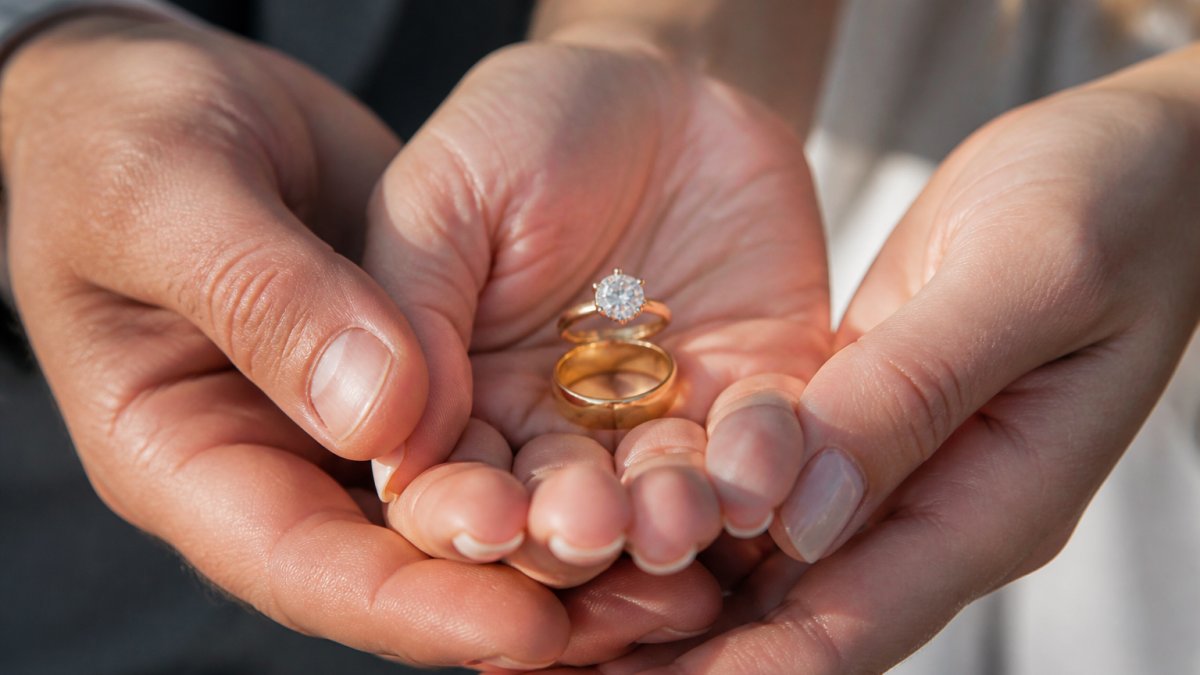
Lab-Grown Diamonds: Impact, Cost, and Long-Term Value
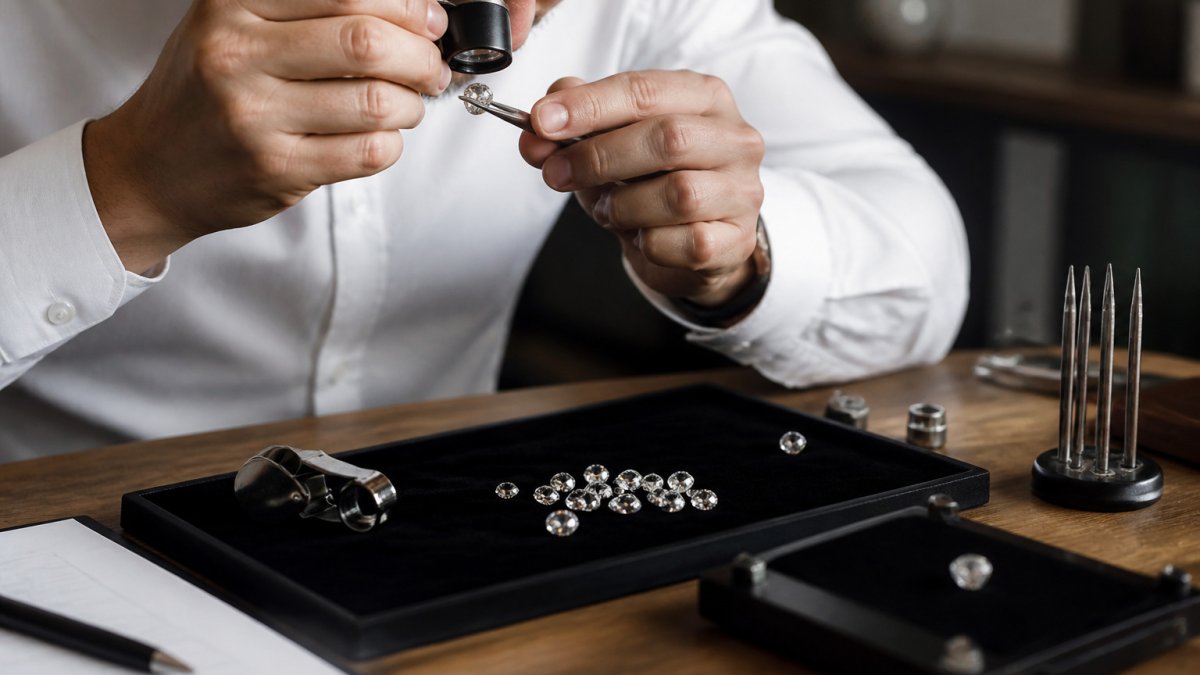
Lab-grown diamonds are created in controlled environments using two main methods, high-pressure high-temperature (HPHT) and chemical vapor deposition (CVD).
The lifecycle trade-off: lab-grown stones avoid the land disturbance and water use of large-scale mining, but they are energy-intensive to produce.
Practical durability notes: lab-grown stones are safe for everyday wear and for most settings, but very thin halos and pavé settings still need periodic tightening regardless of stone origin.
Recycled Gold, Silver, and Platinum: What Changes, What Doesn't
Recycled precious metals come from jewelry, industrial scrap, and recovered materials that are refined and reused. Chemically, recycled gold is identical to newly mined gold, same purity, same alloy behavior, same durability. The difference is upstream: no new extraction is required.
Lifecycle trade-offs to weigh:
- Refining still has impact. Recycled metal must be refined, which uses energy and chemicals. It is generally lower-impact than primary mining, but it is not impact-free.
- Alloy composition matters. 14k and 18k gold, platinum 950, and sterling silver behave differently in wear. Platinum is denser and develops a patina rather than losing material; white gold typically needs rhodium plating every 1-2 years to maintain color; sterling silver tarnishes and needs polishing.
- Chain of custody is the real differentiator. "Recycled" is only meaningful if the supplier can document the source. Ask for a chain-of-custody statement or refinery documentation.
- Cost. Recycled metals are often priced close to newly mined equivalents, sometimes slightly lower; the premium, when it exists, usually reflects documentation and certification rather than the metal itself.
Ethically Sourced Mined Gemstones: Certifications and Limits
If a couple prefers a mined stone, sourcing documentation is the lever. Relevant programs include:
- Kimberley Process Certification Scheme: A government-backed system intended to prevent conflict diamonds from entering the legitimate trade. It addresses conflict financing, not broader labor or environmental standards.
- Fairmined certification: A standard for artisanal and small-scale mining that addresses fair wages, safe working conditions, and environmental practices. Availability is limited by supply.
- Responsible Jewellery Council (RJC) membership and certification: A industry standards body that audits members on supply-chain and business practices. Membership signals commitment; the scope of the audit is worth understanding.
Certification is accountability, not perfection. A common pattern is that fully traceable stones command a premium and take longer to source. Couples should ask whether the jeweler can trace the specific stone, not just the category, and whether documentation will be provided at purchase.
How to Verify Sustainability Claims from Your Jeweler
Most jewelers now use sustainability language. The useful skill is knowing which claims can be documented and which are marketing. This section gives couples a practical verification process, the kind of document-level check that most guides skip.
The Four Questions That Separate Claims from Evidence
- "Can you show me the document?" For metals, ask for a chain-of-custody statement or refinery documentation. For stones, ask for the grading report (from a lab such as GIA, IGI, or GCAL) and, where applicable, sourcing or certification paperwork. A claim you can hold in your hand is different from a claim in a brochure.
- "Where exactly did this material come from?" Vague answers ("ethical sources," "responsible suppliers") are a signal. Specific answers name the refiner, the grower, the mine, or the certification program.
- "What does this certification actually cover?" Certification scope varies. Kimberley Process addresses conflict financing; Fairmined addresses artisanal mining conditions; RJC audits business and supply-chain practices. Know what each one does and does not verify.
- "What happens after I buy?" Ask about repair, resizing, and redesign services. A jeweler set up to maintain a piece over decades is demonstrating lifecycle thinking, not just a sales pitch.
Documents to Request Before You Buy
- Metal: Chain-of-custody or refinery statement for recycled or responsibly sourced metal; alloy and purity specification.
- Lab-grown stones: Grading report and, if claimed, information on the growing facility and its energy source.
- Mined stones: Grading report plus any sourcing certification (for example, Kimberley Process or Fairmined documentation where available).
- Custom work: A written specification of materials, stone details, and setting so the finished piece can be verified against what was promised.
Red Flags and How to Read Them
- "100% ethical" or "100% sustainable" with no documentation. No supply chain is perfect; absolute claims usually signal marketing rather than verification.
- Refusal to name suppliers or refiners. Legitimate operations can usually describe their sourcing at a category level even when they protect commercial details.
- Certification logos without a certificate number. Reputable programs issue traceable identifiers; ask to see the actual certificate.
- Pressure to decide before questions are answered. A jeweler confident in sourcing will welcome the questions.
A Simple Verification Script for Couples
Bring these questions to your appointment:
- What documentation will I receive for the metal and the stone?
- Can you trace this specific stone, not just the category?
- Which certifications apply, and what do they cover?
- What repair, resizing, and redesign services do you offer after purchase?
- Can I have the specifications in writing before I commit?
At Sherwood Bridge Diamonds, we answer these questions directly and provide documentation with your purchase. We would rather have a couple ask five hard questions than buy on a slogan.
Jewelry Care and Repair: Extending the Life of Your Pieces
The most sustainable jewelry is jewelry you keep and wear for decades. Proper care and maintenance extend the life of your rings and reduce the need for replacement.
Basic care practices:
- Clean regularly: Use mild soap and warm water, or have a professional cleaning annually
- Remove during activities: Take off rings before swimming, exercising, or doing heavy work
- Store safely: Keep jewelry in a soft pouch or box, away from extreme temperatures
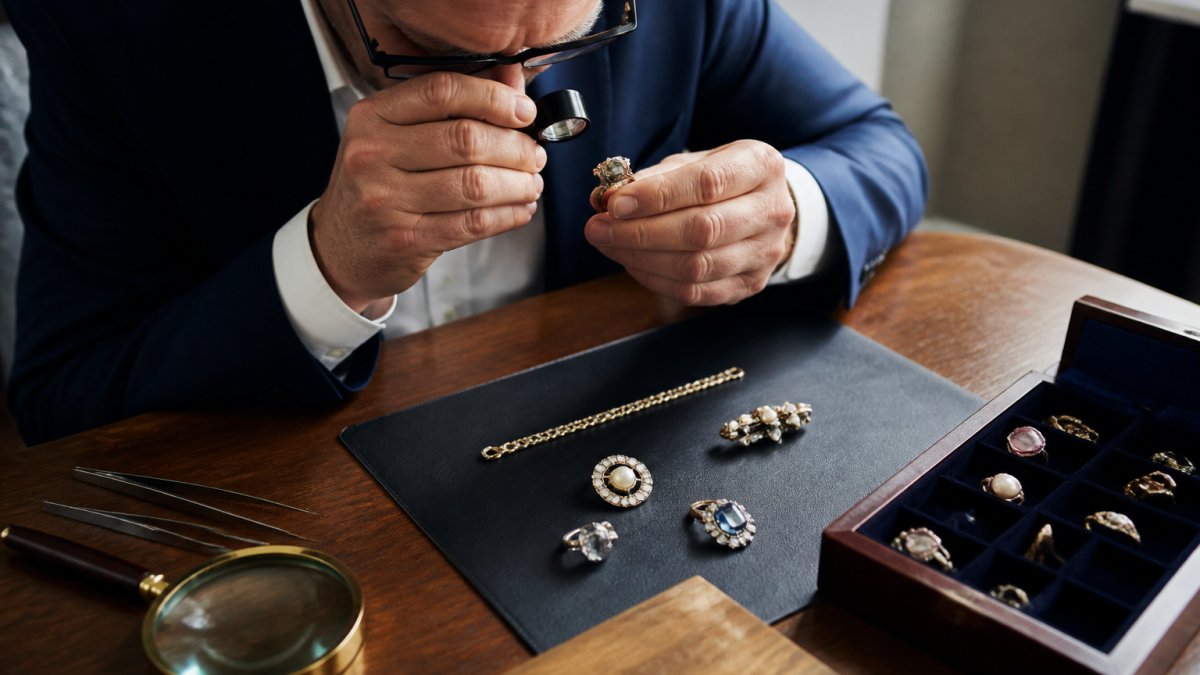
- Inspect periodically: Check for loose stones or worn prongs before damage occurs
Professional maintenance matters too. A jeweler can:
- Tighten loose settings to prevent stone loss
- Repair worn prongs that hold stones
- Polish metals to restore shine
- Resize rings as needed over time
- Refinish surfaces that show wear
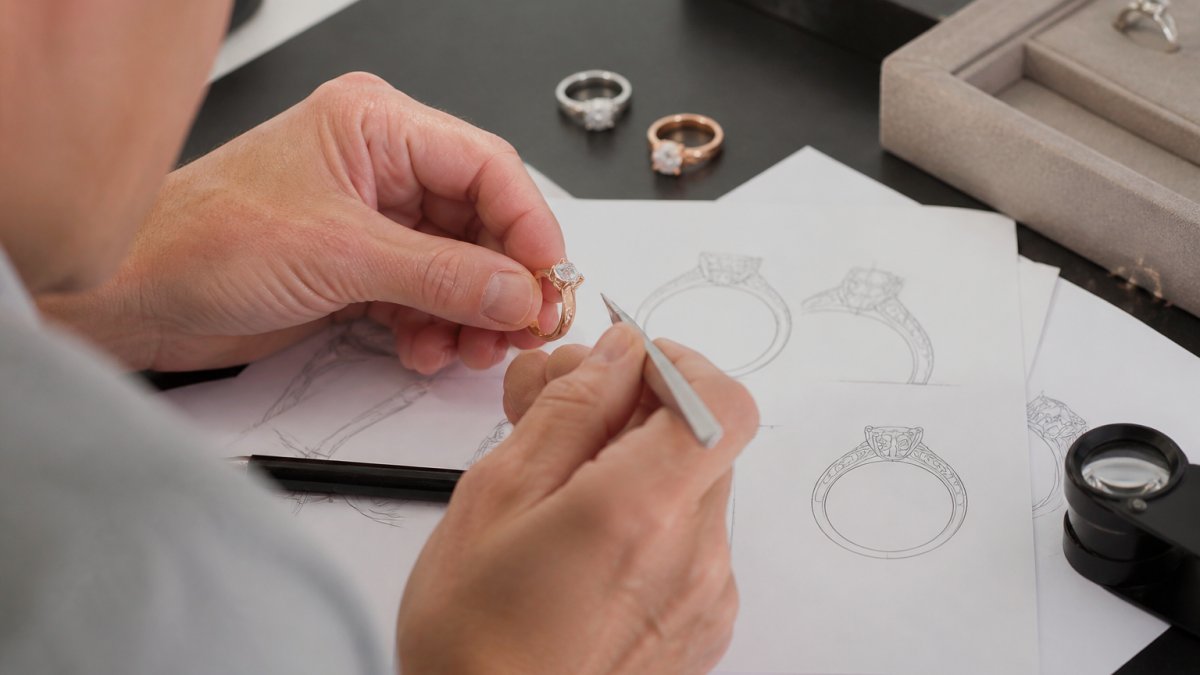
When you invest in a custom engagement ring or wedding band, regular maintenance protects that investment. Many couples find that professional repair and cleaning services keep their rings beautiful for a lifetime, and beyond.
We offer expert repair and maintenance services for all jewelry, whether you purchased it from us or elsewhere. Keeping your pieces in excellent condition is part of sustainable jewelry practices.
Beyond Engagement Rings: Sustainable Wedding Bands and Heirloom Jewelry
Sustainable jewelry practices extend beyond the engagement ring. Wedding bands, anniversary gifts, and heirloom pieces all fit into a couple's long-term jewelry story.
Wedding bands can be made from the same sustainable materials as engagement rings, recycled metals, lab-grown diamonds or gemstones, or ethically sourced stones. Many couples choose to match their band to their engagement ring's material for visual cohesion.
Heirloom jewelry represents ultimate sustainability. Wearing or redesigning jewelry from previous generations keeps those pieces in use rather than stored away.
Anniversary gifts offer another opportunity to build sustainable practices into your jewelry collection. Consider:
- Redesigning existing pieces rather than buying new
- Choosing lab-grown gemstones for colored stone pieces
- Selecting recycled metals for anniversary bands
- Commissioning custom pieces that combine multiple stones or metals
At Sherwood Bridge Diamonds, we specialize in custom design that brings your vision to life.
Building Your Sustainable Jewelry Checklist as a Couple
Before you shop for your engagement ring or wedding jewelry, create a checklist together. This helps you stay aligned on priorities and communicate clearly with your jeweler.
Use this framework to guide your decisions:
| Priority | Question | Your Answer |
|---|---|---|
| Material choice | Lab-grown, recycled metals, or ethically sourced mined? | |
| Sourcing transparency | Can the jeweler document where materials come from? | |
| Certifications | What certifications or third-party verification exist? | |
| Design process | Do you want custom design or existing designs? | |
| Timeline | How long can you wait for your piece to be made? | |
| Maintenance plan | How will you care for and maintain your jewelry? | |
| Budget | What's your total budget for engagement and wedding jewelry? | |
| Long-term vision | How do you want these pieces to fit into your life over decades? |
Discussing these questions together helps you make decisions that feel right for both of you. It also gives your jeweler clear direction about what matters most.
Sustainable jewelry practices start with understanding your choices and their impact.
At Sherwood Bridge Diamonds, we've spent over 15 years helping couples create rings that tell their unique story. We guide you through material selection, sourcing decisions, and custom design, treating every client like family.
Frequently Asked Questions
What makes jewelry sustainable?
Sustainable jewelry balances environmental responsibility, ethical labor practices, and longevity. It uses recycled metals, lab-grown diamonds, or responsibly sourced mined gemstones with verified supply-chain transparency. Sustainable practices also include durable design, repairability, and responsible manufacturing that minimizes waste and carbon footprint. A piece built to last generations reduces the need for replacement and embodies true sustainability.
Are lab-grown diamonds more sustainable than mined diamonds?
Lab-grown diamonds typically have a lower environmental impact than mined diamonds because they require less land disruption and consume less water. However, lab-grown diamond sustainability depends on the energy source used in production. Ask your jeweler about their lab's energy practices. Both lab-grown and mined diamonds can be ethical choices; the key is supply-chain transparency and certification from your jeweler.
How can couples verify a jeweler's sustainability claims?
Request documentation: ask for certifications, chain-of-custody records, and details about material sourcing. Reputable jewelers provide transparency about where metals and gemstones originate. Interview your jeweler about their production methods, labor practices, and waste reduction. Check whether they offer recycled metals and lab-grown options. A trustworthy jeweler like Sherwood Bridge Diamonds welcomes these questions and provides honest answers backed by verifiable practices.
Is recycled gold a sustainable choice for engagement rings?
Yes, recycled gold is an excellent sustainable choice. It eliminates the environmental damage of new mining, reduces carbon emissions, and conserves natural resources. Recycled gold meets the same quality and durability standards as newly mined gold. It can be melted and reshaped into any design, making it ideal for custom engagement rings and wedding bands. Recycled gold jewelry also carries the emotional value of reclaimed materials with renewed purpose.