 how-to
Estate Jewelry Appraisal: A Step-by-Step Guide
Last Updated: October 23, 2026
Quick Summary
An estate jewelry appraisal is a professional valuation of your jewelry's worth for insurance, tax, or estate settlement purposes, a detailed, documented evaluation that protects your financial interests and provides peace of mind.
- Insurance replacement appraisals reflect replacement cost today, while market-value appraisals show what an item could fetch in resale.
- Always verify your appraiser is certified and independent, with no financial stake in the valuation outcome.
- Prepare by inventorying pieces, gathering documentation like receipts and GIA certificates, and clarifying the appraisal's purpose upfront.
- Appraisers typically charge per-item flat fees, hourly rates, or minimum base fees depending on collection size and complexity.
- Your final report should include detailed descriptions, photographs, test results, methodology, and the appraiser's credentials and signature.
Table of Contents
- Why Estate Jewelry Appraisals Matter
- How to Prepare for a Jewelry Appraisal
- Understanding the Jewelry Appraisal Process
- Jewelry Appraisal for Insurance Protection
- Jewelry Appraisal Cost and Pricing
- Verifying Appraiser Credentials and Independence
- What Your Appraisal Report Should Contain
- Frequently Asked Questions
Why Estate Jewelry Appraisals Matter
An estate jewelry appraisal is a professional valuation of your jewelry's worth for insurance, tax, or estate settlement purposes, a detailed, documented evaluation that protects your financial interests and provides peace of mind.
Whether you've inherited pieces, purchased vintage or antique items, or simply want to protect what you own, an accurate appraisal serves as your financial safeguard. At Sherwood Bridge Diamonds, we understand your jewelry holds both monetary and sentimental value.
An appraisal's value depends on its purpose: a market-value appraisal describes what an item could fetch in a resale transaction, while an insurance replacement appraisal reflects what it would cost to replace that piece today.
How to Prepare for a Jewelry Appraisal
A little preparation makes the appraisal faster, more accurate, and more useful later, whether you're bringing in a single ring or an entire inherited estate.
Step 1: Inventory everything before you go
Before your appointment, list every piece you plan to have appraised, noting the type of jewelry, the metal, any stones, and where it came from. This list becomes your checklist and confirms nothing is missed.
If you inherited pieces, separate them from jewelry you purchased yourself. Estate pieces often carry different documentation needs, and grouping them makes the appraiser's job easier.
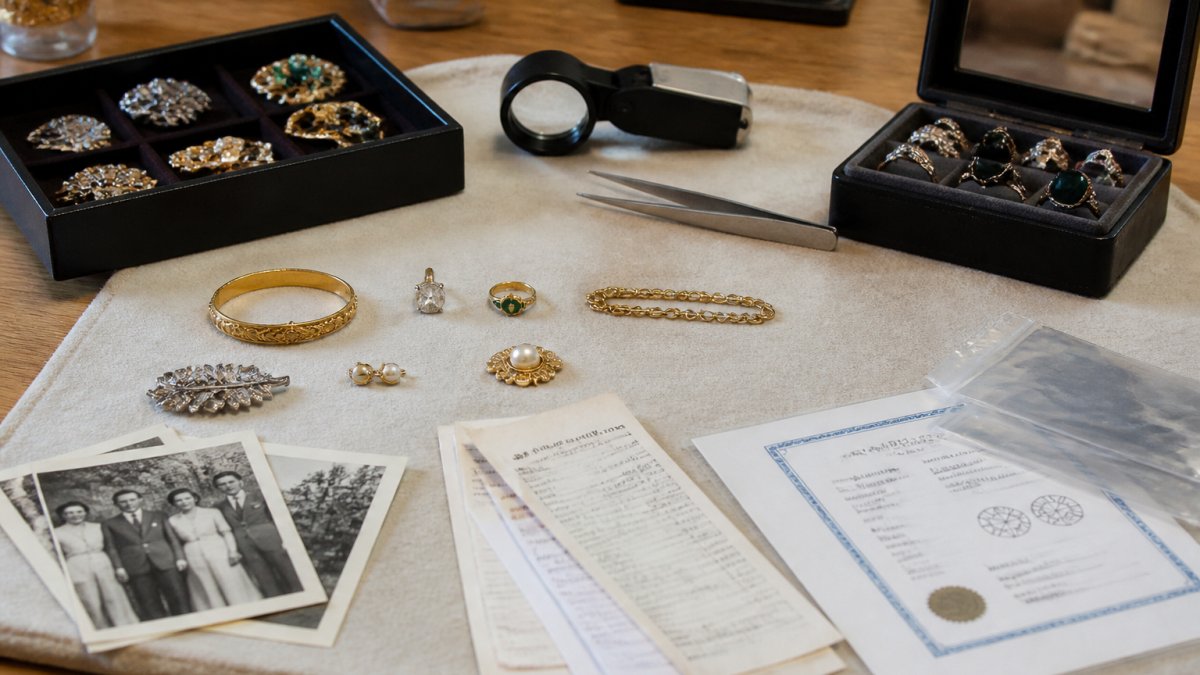
Step 2: Gather documentation
Collect whatever paperwork exists, even if it is incomplete:
- Original purchase receipts and invoices
- Prior appraisals, even old ones
- Gemological certificates, such as those from the Gemological Institute of America (GIA)
- Certificates of authenticity or maker's paperwork
- Photographs of the pieces being worn or displayed
- For inherited pieces, estate documents, letters, or family notes about provenance
Provenance matters for estate and antique jewelry: a note that a brooch belonged to a specific family member or was purchased in a particular era supports the valuation.
Step 3: Organize and gently clean
Group pieces logically: rings, necklaces, and watches together, with estate or antique pieces grouped by era or style if possible. This helps the appraiser work efficiently and reduces the chance of an item being overlooked.
Clean gently with a soft cloth and mild soapy water. Avoid harsh chemicals, ultrasonic cleaners, or aggressive polishing, especially on antiques where patina contributes to value. When in doubt, leave cleaning to the appraiser.
Step 4: Decide the purpose before the appointment
The purpose determines the type of value reported: insurance replacement, fair market value for estate settlement, and liquidation value are different numbers. Tell the appraiser upfront whether the report is for insurance, probate, tax documentation, or resale planning, and ask which value type fits if you're unsure.
Step 5: Prepare your questions
Bring a short list of questions so you leave with clear answers:
- Which value type will the report state, and why?
- What will the report include, such as photographs, descriptions, and methodology?
- What is the fee structure and expected turnaround?
- Are you independent of any jewelry buyer or retailer?
- What credentials and professional affiliations do you hold?
- Will you note any limitations, such as stones that could not be tested in their settings?
Step 6: Plan for security and logistics
For a large collection, ask whether the appraiser prefers an onsite visit or an in-office appointment, how pieces will be secured, and whether to bring them in a single case or individually. For high-value estates, ask about insurance coverage during transit and at the appraisal location.
What to ask after the appointment
Once you have the report, review it against your inventory to confirm every piece is included and the stated purpose matches what you requested. If anything is missing or unclear, ask for a correction before you file the report with an insurer or attorney.
Understanding the Jewelry Appraisal Process
The appraisal process follows a structured methodology designed for consistency and accuracy. Understanding each step helps you know what to expect.
Initial Inspection and Documentation
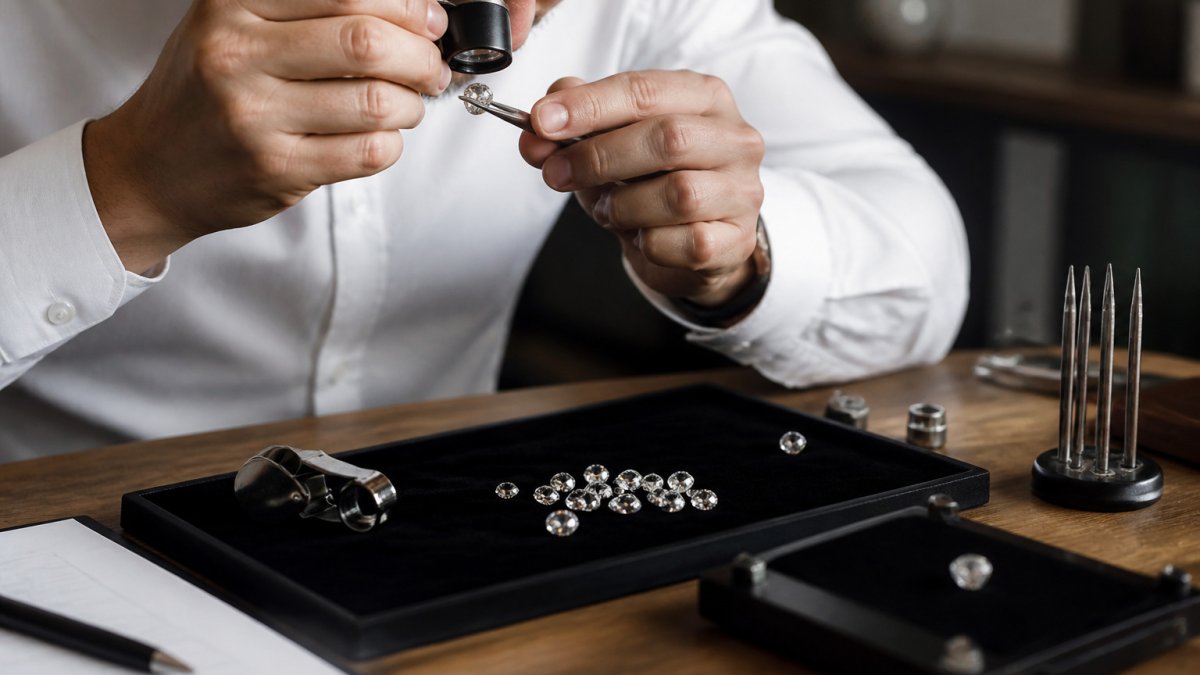
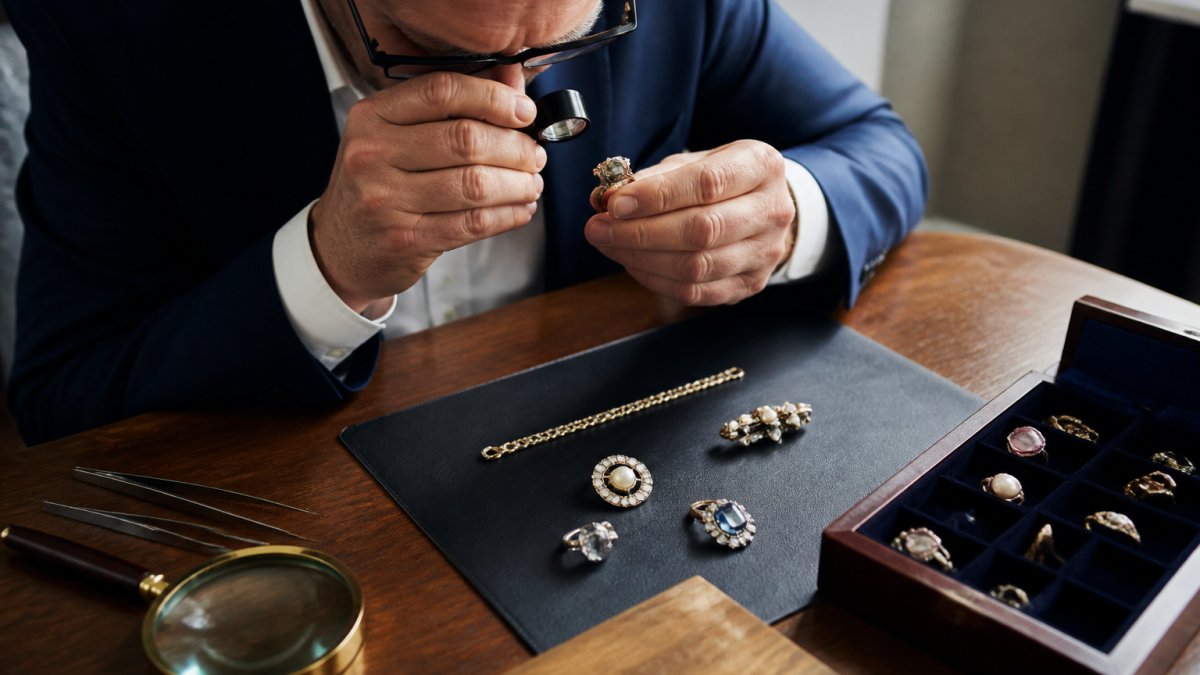
Your appraiser begins by visually examining each piece under magnification, noting the jewelry type, metal composition, weight, and any visible hallmarks or maker's marks. For gemstones, they assess color, clarity, cut, and carat weight using equipment like loupes and refractometers.
Your appraiser photographs each item and creates detailed written descriptions that become part of your appraisal report and serve as a reference if you ever file an insurance claim.
Evaluation and Testing
Testing determines metal purity and gemstone authenticity using specific gravity tests, hardness tests, and sometimes X-ray fluorescence. For diamonds, appraisers assess whether the stone is natural or lab-grown and whether any treatments or enhancements have been applied.
This phase is where certified expertise matters most: a qualified gemologist can distinguish between similar-looking stones and identify treatments that significantly affect value.
Report Generation
Your appraiser compiles all findings into a formal appraisal report with detailed descriptions, photographs, test results, and a professional opinion of value.
A complete appraisal report becomes your documentation for insurance, estate settlement, or resale. Keep it in a safe place, separate from the jewelry itself; if your insurer requires an appraisal before issuing a policy, this is the document they'll review.
Jewelry Appraisal for Insurance Protection
Insurance appraisals establish the replacement cost of your jewelry if it's lost, stolen, or damaged, different from market value, which reflects what you might receive if you sold the piece.
An insurance replacement appraisal ensures your policy covers the full cost of replacing your jewelry.
Many homeowners' and renters' insurance policies limit jewelry coverage unless you provide an appraisal (Do I need special coverage for jewelry and other valuables?).
Jewelry Appraisal Cost and Pricing
Appraisal fees vary with the scope of the work, but common patterns apply.
How appraisers typically charge
There are three common fee structures:
- Per-item flat fee. Best for straightforward pieces like a single diamond ring or a small watch collection. Many appraisers use a tiered per-item rate, with lower fees for simple gold jewelry and higher fees for pieces that require gemstone identification or treatment detection.
- Hourly rate. Common for large estates, mixed collections, or pieces that need extensive testing. Hourly billing reflects the actual time spent and is often the fairest option when the scope is unknown until the appraiser sees the pieces.
- Minimum or base fee. Many appraisers charge a minimum engagement fee for onsite or mobile visits, which covers travel and setup time.
Many appraisers charge a per-item fee for individual pieces and an hourly rate for estate collections above a certain size. Ask upfront which structure applies and whether there is a minimum.
What drives the price up or down
- Number of pieces. A single ring is quick; a full estate of 40 pieces is not.
- Gemstone complexity. Diamonds and colored stones require more testing than plain gold. Lab-grown versus natural diamond identification and treatment detection add time.
- Documentation requirements. Insurance replacement appraisals and estate/probate appraisals often require more detailed reports and photographs than a simple verbal estimate.
- Onsite versus in-office. Mobile and onsite appraisals usually carry a travel or setup charge.
- Rush turnaround. Expedited reports typically cost more.
Turnaround times
For a few pieces, many appraisers complete the inspection in a single appointment and deliver the written report within a few business days. Larger estate collections often take one to two weeks. If you have a deadline, such as an insurance policy effective date or a probate filing, tell the appraiser at booking.
Getting a written estimate first
Before you commit, ask for a written estimate stating the fee structure, any minimum charge, the expected turnaround, and what the report will include.
| Fee Structure | Best For | What to Confirm |
|---|---|---|
| Per-item flat fee | Single pieces, small collections | Whether the rate changes by gemstone type |
| Hourly rate | Large estates, mixed collections | The hourly rate and any minimum |
| Minimum/base fee | Onsite or mobile visits | Travel radius and setup charge |
Rather than choosing on price alone, compare the scope of the report and the appraiser's credentials. A slightly higher fee for a thorough, independent report is usually the better value for insurance or estate purposes.
Verifying Appraiser Credentials and Independence
Not everyone calling themselves an appraiser has legitimate credentials. Before hiring someone, verify their qualifications and confirm they meet professional standards.
Look for appraisers certified by recognized organizations.
Ask about their background: years appraising jewelry, training completed, and whether they hold gemological certifications such as from the Gemological Institute of America.
Independence is equally important.
What Your Appraisal Report Should Contain
A professional appraisal report is more than a list of values. It's a detailed document that serves as your reference and protection.
Your report should include a clear statement of the appraisal's purpose, whether it's for insurance, estate settlement, or another reason.
The report includes the appraiser's methodology, tests performed, and market data consulted, which is what makes the appraisal credible.
Getting an accurate estate jewelry appraisal protects what matters to you. The process requires expertise, independence, and attention to detail, the difference between a valuation you can trust and one that falls short when you need it most. Make an Appointment to discuss your appraisal needs and discover how we can help protect your jewelry assets.
Frequently Asked Questions
What should I bring to an estate jewelry appraisal?
Bring all original documentation, including certificates, receipts, or insurance paperwork. Organize pieces in a clean, safe container. Include any family history or provenance information about antique or heirloom items. A list of pieces with descriptions helps the certified appraiser work efficiently. If you have photographs of the jewelry, bring those as well. Avoid cleaning pieces beforehand, appraisers need to evaluate them in their current condition.
What is the difference between an insurance appraisal and an estate appraisal?
An insurance appraisal determines replacement cost, what it would cost to replace the item new, accounting for current market prices and craftsmanship. An estate appraisal typically establishes fair market value, the price the item would fetch if resold to another buyer. Insurance appraisals protect your coverage; estate appraisals support probate, inheritance, or tax purposes. The appraiser's purpose shapes the valuation method and final report.
How do I know an appraiser is actually certified and unbiased?
Look for credentials from recognized organizations such as the American Society of Appraisers (ASA) or the Gemological Institute of America (GIA). Certified gemologists have completed rigorous training and maintain ethical standards. Verify independence, an appraiser should not buy or sell jewelry, which creates a conflict of interest. Ask about their experience with estate and antique jewelry specifically. A reputable appraiser will provide references and explain their qualifications upfront.
How long does a jewelry appraisal take?
A typical appraisal takes 30 minutes to two hours, depending on the number and complexity of pieces. Antique jewelry, watches, and items requiring detailed gemstone evaluation take longer. Some appraisers offer same-day service for straightforward appraisals. Estate appraisals with multiple pieces or heirlooms may require additional time or a follow-up appointment. Ask your appraiser for a time estimate when you schedule your appointment.