 how-to
Expert Jewelry Repair Services: Find Your Local Specialist
Table of Contents
- What to Look for in Expert Jewelry Repair Services
- Key Questions to Ask Before Approving Jewelry Repair
- Understanding Jewelry Repair Cost and Pricing Factors
- Jewelry Repair Turnaround Time: What to Expect
- Jewelry Appraisal and Repair: Why Both Matter
- Common Jewelry Repair Problems and Solutions
- How to Prepare Your Jewelry Before Repair
- Credentials, Insurance, and Repair Guarantees
- Frequently Asked Questions
Last Updated: October 21, 2026
What to Look for in Expert Jewelry Repair Services
Finding the right jeweler means knowing what separates a trustworthy specialist from someone going through the motions. The best jewelry repair services combine technical skill, transparent communication, and a commitment to preserving your pieces.
When evaluating jewelry repair services, look for specialists who understand your concerns before quoting a price. A jeweler who asks about the piece's history, previous repairs, and your expectations demonstrates the care that protects your investment. Experience matters: jewelers with years of hands-on training understand the nuances of metals, gemstone settings, and repair techniques that newer practitioners overlook.
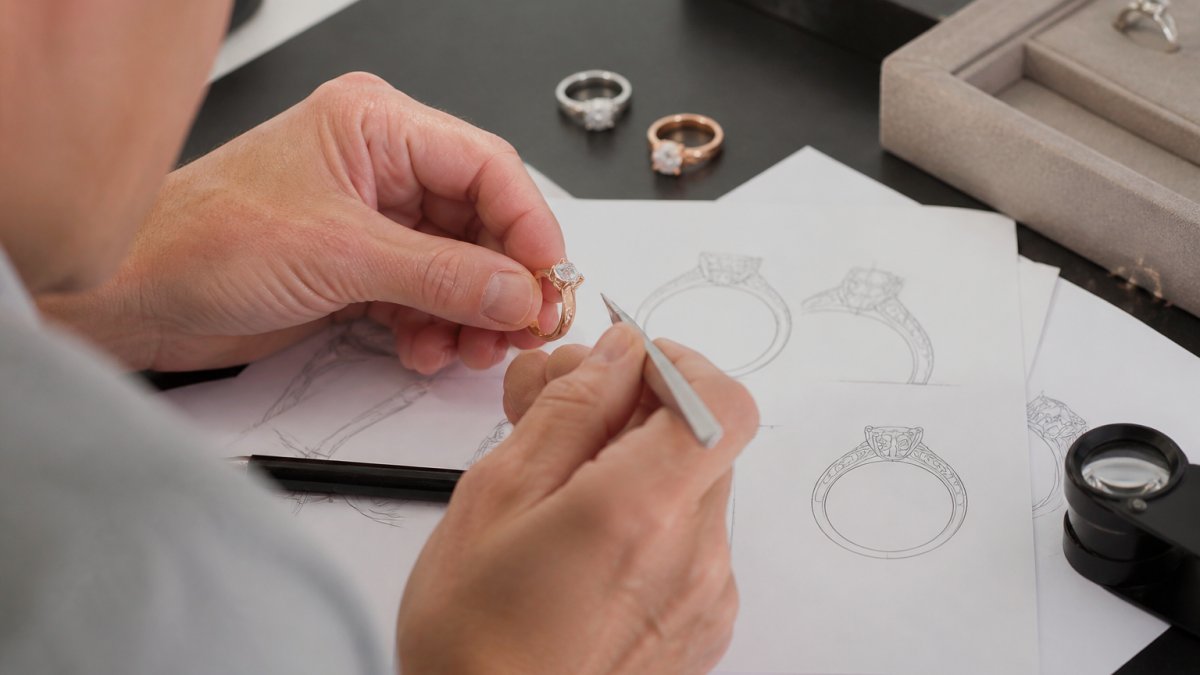
At Sherwood Bridge Diamonds, we approach every repair with the same meticulous attention we bring to custom design work. Our team has spent over 15 years perfecting the craft of jewelry restoration, treating each piece like it belongs to a family member rather than just another job.
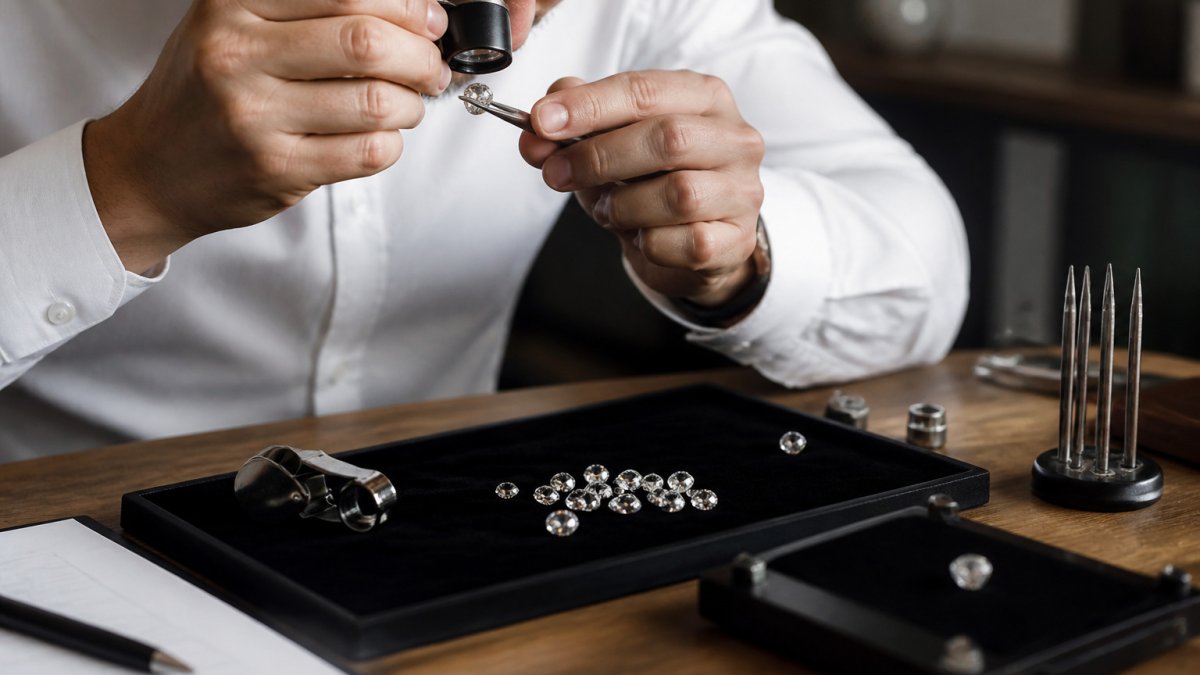
The workspace tells you something too. A reputable jewelry repair specialist maintains organized, clean workstations with proper lighting and magnification tools, reflecting a commitment to precision and quality control. Ask whether they use ultrasonic cleaners, steam cleaners, or hand-cleaning methods, since different approaches work better for different jewelry types.
Key Questions to Ask Before Approving Jewelry Repair
Before leaving your treasured items with any jeweler, ask these critical questions. These conversations reveal whether a repair specialist truly understands your needs and can deliver the results you expect.
Start with the fundamentals: "What is your experience with this specific type of repair?" A jeweler who has handled hundreds of similar jobs brings confidence and predictability. Ask about their approach to the problem, whether it's a broken clasp, loose stone, or prong repair, since the best method depends on your piece's construction and your priorities.
Request a detailed written estimate before work begins. The estimate should specify exactly what work will be done, what materials will be used, and the total cost. Ask whether the jeweler guarantees their work and for how long. A solid guarantee, typically 12 months to indefinitely, depending on the repair type, shows confidence in their craftsmanship.
Inquire about insurance and liability coverage. Ask whether they carry jeweler's liability insurance and whether your piece is covered while in their care. This question separates professionals from hobbyists operating without proper business structure.
Find out their timeline. Ask specifically: "When will my repair be completed?" and "What happens if complications arise?" Legitimate jewelers build in buffer time and communicate proactively if delays occur. They don't promise unrealistic turnaround times just to win your business.
Understanding Jewelry Repair Cost and Pricing Factors
Jewelry repair pricing depends on several variables. Understanding these factors helps you evaluate whether an estimate is reasonable, since costs reflect the jeweler's expertise, the materials involved, and the complexity of the work.
The type of metal significantly influences pricing. Working with platinum requires different techniques and commands higher rates than gold or silver repairs. Precious metals demand specialized tools and expertise. Stone setting work costs more when dealing with diamonds or rare gemstones compared to costume jewelry repairs.
Location and reputation play a role too. Established jewelers in higher-overhead areas typically charge more than those in lower-cost regions, and a jeweler who has built trust through consistent excellence can command premium rates because clients understand they're paying for reliability.
When requesting an estimate, ask for itemized pricing that breaks down labor costs separately from material costs. This transparency helps you understand where your money goes. Some jewelers charge a flat rate for common repairs like ring resizing, while others price by the hour. Understanding their pricing structure prevents surprises when you pick up your finished piece.
Be cautious of estimates that seem unusually low, since extremely cheap pricing often signals cut corners, inexperience, or inferior materials. Conversely, the highest price doesn't automatically mean the best quality. The sweet spot is a jeweler whose pricing reflects their expertise while remaining competitive locally.
Jewelry Repair Turnaround Time: What to Expect
Understanding typical jewelry repair turnaround time helps you plan and set realistic expectations. Most repairs fall into predictable timeframes, though complexity and the jeweler's workload affect specific timelines.
Simple repairs like clasp replacement, minor polishing, or basic cleaning typically take 3 to 7 business days. These jobs require minimal labor and can often be fit into the schedule quickly without disrupting other projects.
Moderate repairs, including ring resizing, stone tightening, or chain repair, usually require 1 to 2 weeks. These jobs demand more precision and sometimes involve waiting for materials or specialized processes. A jeweler might need to order sizing stock or allow time for soldering and finishing work to cure properly.
Complex restoration work, custom modifications, or repairs involving multiple issues can take 3 to 6 weeks or longer. If your piece requires significant restoration, stone resetting, or custom work, patience becomes essential.
Several factors affect turnaround time beyond the repair itself. Seasonal demand matters, with holiday periods typically seeing longer wait times, and a specialist handling dozens of jobs simultaneously can't promise the same speed as someone with lighter scheduling.
Always ask about rush options when dropping off your piece. Some jewelers offer expedited service for an additional fee. However, ensure the rush option doesn't compromise the quality of your repair. A fast job done poorly creates more problems than a slower job done right.
Jewelry Appraisal and Repair: Why Both Matter
Jewelry appraisal and repair serve different but complementary purposes in protecting your valuable pieces. Understanding the distinction helps you make smart decisions about care and documentation.
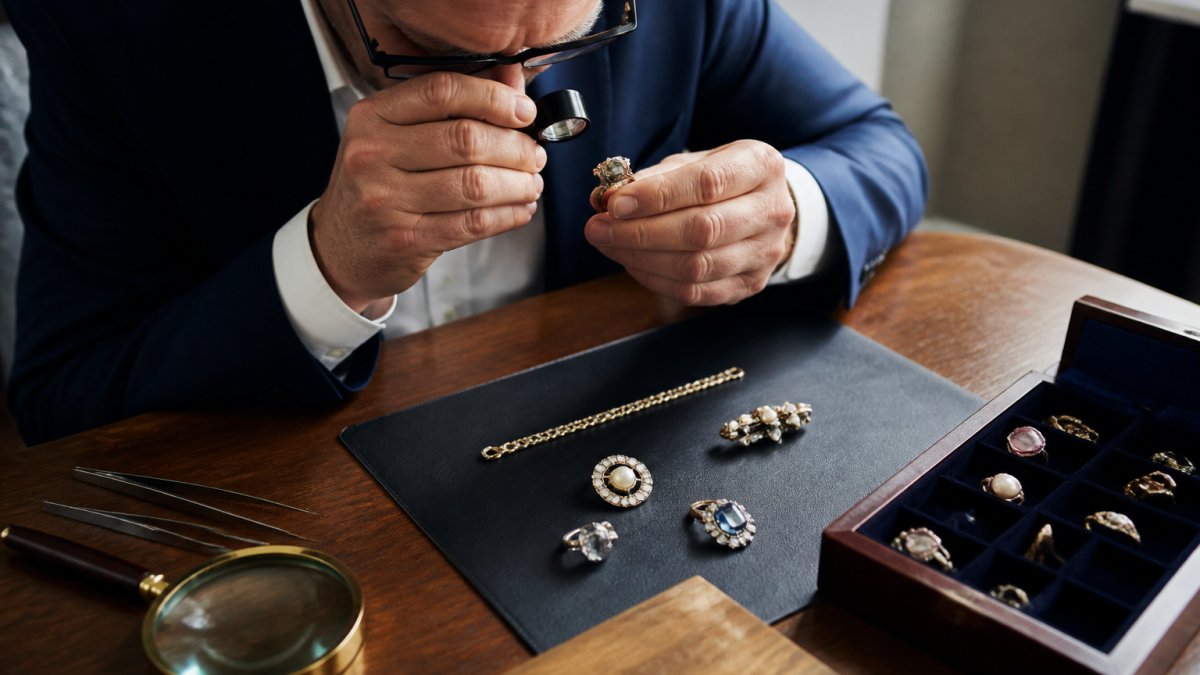
An appraisal establishes your piece's monetary value for insurance, resale documentation, or estate planning. A professional appraisal includes detailed descriptions of materials, gemstones, workmanship, and current market value, protecting you if loss or damage occurs, since your insurance company needs an appraisal to process claims accurately.
Repair work, by contrast, focuses on restoring functionality and appearance. A jeweler performing repairs might identify issues that affect your piece's value or insurability, such as a loose stone or compromised setting, which is why coordination between appraisal and repair makes sense.
When you're having significant repair work done, ask your jeweler whether the work might affect your piece's value or insurance coverage. Some repairs actually increase value by restoring the piece to like-new condition. Other repairs, particularly those involving replacement of original components, might slightly decrease value from a collector's perspective but restore functionality and wearability.
Sherwood Bridge Diamonds provides both expert repair services and professional appraisal work for insurance and estate purposes. Our team understands how these services interconnect and can guide you through both processes with confidence. We've helped countless clients in South Orange County protect their jewelry assets through accurate appraisal and expert restoration.
Common Jewelry Repair Problems and Solutions
Understanding the most common jewelry issues helps you recognize problems early and seek solutions before minor issues become major damage.
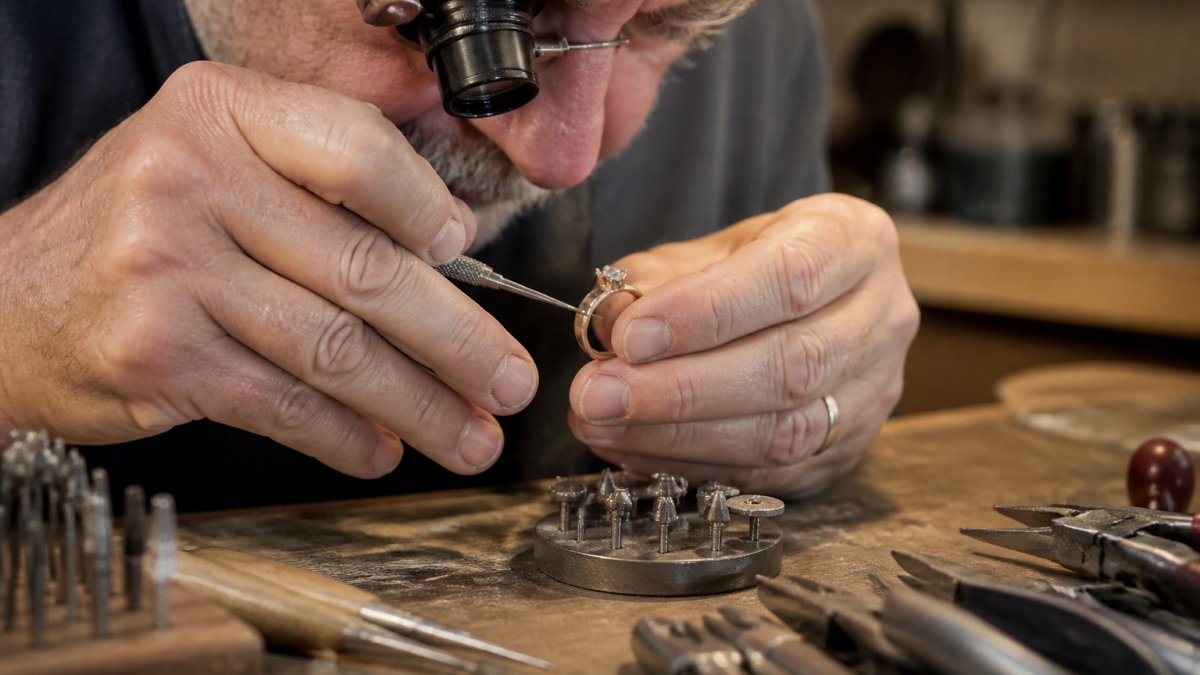
Loose stones are one of the most frequent problems jewelers encounter. A stone becomes loose when the metal holding it, typically prongs or bezel settings, wears down or shifts over time.
Broken clasps plague many necklaces and bracelets. Clasps experience constant stress from opening and closing, and the mechanism eventually wears out or breaks.
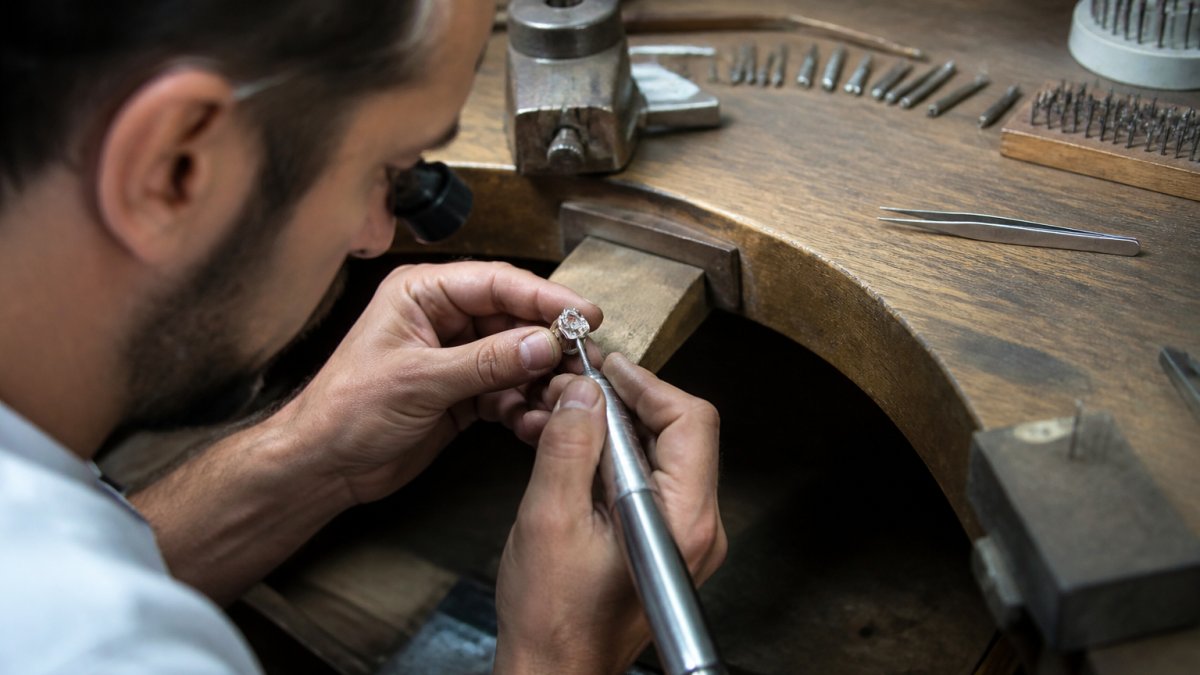
Prong damage affects rings with stone settings. Prongs can bend, crack, or wear thin, compromising the stone's security. A skilled jeweler can rebuild worn prongs or replace damaged ones entirely.
Chain breaks occur from normal wear, accidental snags, or metal fatigue. A jeweler can splice the chain back together through soldering, making it as strong as the original.
Ring sizing represents another common request. Whether your ring has become too loose or too tight, a jeweler can resize it by adding or removing metal from the band. This work typically takes 1 to 2 weeks.
Dull or scratched finishes can be restored through professional polishing and refinishing. A jeweler uses specialized equipment and techniques to restore shine without removing excessive metal.
How to Prepare Your Jewelry Before Repair
Taking proper steps before bringing your jewelry to a repair specialist protects the piece and helps the jeweler understand its condition and history.
Document the current condition with photos or video. Capture clear images of any damage, loose stones, or problem areas from multiple angles.
Clean your jewelry gently before the appointment. Use lukewarm water and mild soap with a soft brush for most pieces. Avoid harsh chemicals or abrasive materials that could damage delicate settings or gemstones.
Write down any relevant history about the piece: when you acquired it, any previous repairs, known issues with materials or construction, and your expectations. If the piece has sentimental value, mention it, since this helps the jeweler understand why precision matters beyond monetary value.
Remove any jewelry you don't want repaired. If you're bringing in a ring with multiple stones and only one needs attention, clarify which stone needs work. Miscommunication about scope can lead to unnecessary work or damage to areas you wanted left alone.
Ask whether you should remove any attached items. Some jewelers prefer to work with pieces in their original condition, while others might recommend removing chains from pendants or bracelets from clasps. Follow their guidance to prevent accidental damage during the repair process.
Bring your piece in a protective container, a small box, pouch, or jewelry bag. This prevents loss or damage during transport to the jeweler's workshop.
Credentials, Insurance, and Repair Guarantees
Verifying a jeweler's credentials and understanding their guarantees provides crucial protection for your valuable pieces, separating legitimate professionals from less scrupulous operators.
Ask whether the jeweler holds any professional certifications.
Verify that the jeweler carries liability insurance. This coverage protects you if something goes wrong during the repair process. Ask to see proof of insurance before leaving your piece in their care.
Understand the repair guarantee before work begins. A solid guarantee typically covers the specific repair work for a defined period, commonly 12 months.
Get the guarantee in writing. A verbal promise means little if disputes arise later. Your written estimate should include guarantee terms clearly stated. This documentation protects both you and the jeweler by establishing clear expectations.
Ask what the guarantee covers and what it doesn't. Most guarantees don't cover damage from accidents, improper care, or normal wear after the repair. Understanding these limitations prevents misunderstandings if future problems develop.
Request references from previous customers if you're uncertain about a jeweler's reliability. Speaking with people who have had similar repairs done provides firsthand insight into quality and customer service, and many established jewelers are happy to provide them.
Finding expert jewelry repair services requires balancing multiple factors: technical expertise, transparent communication, fair pricing, and genuine care for your pieces.
Frequently Asked Questions
How do I choose a reliable jewelry repair service?
Look for a repair specialist with verifiable experience, customer reviews, and proper credentials. Ask about their insurance coverage, workmanship guarantees, and how long they've served your area. Request references or examples of past work. A trustworthy jeweler will listen to your concerns, explain the repair process clearly, and provide a written estimate before starting work. Visit in person to assess their professionalism and comfort level with your specific piece.
What are typical jewelry repair questions to ask before approving repair?
Ask: What exactly needs repair and why? What materials will you use? How long will it take? What's the total cost and payment terms? Do you have insurance coverage? What's your workmanship guarantee? Can you show me examples of similar repairs? Will you clean and polish the piece? Is there a rush fee? Request everything in writing, and ask if they'll contact you if they discover additional issues during repair.
How much should I expect to pay for jewelry repair?
Jewelry repair cost varies widely based on the type of repair, materials involved, and complexity. Simple repairs like clasp replacement or basic cleaning cost less than stone resetting or custom work. Precious metal repairs typically cost more than repairs on costume jewelry. Always request a detailed estimate before approving work. Pricing depends on your specific piece and the repair needed, so contact a specialist for an accurate quote tailored to your situation.
How long does jewelry repair typically take?
Jewelry repair turnaround time ranges from same-day for simple fixes like cleaning to several weeks for complex custom work or stone setting. Standard repairs like ring resizing, clasp repair, or prong tightening usually take 1-2 weeks. Custom design or intricate restoration may require 3-4 weeks or longer. Ask your jeweler for a specific timeline when you drop off your piece, and confirm whether rush services are available if you need it sooner.